

Fuel prices are increasing across many countries, and this is creating pressure on everyday life. When petrol and diesel prices rise, transportation becomes more expensive. Because of this, the cost of food, goods, and services also goes up.
This chain reaction is one of the main reasons inflation continues to worry people around the world.
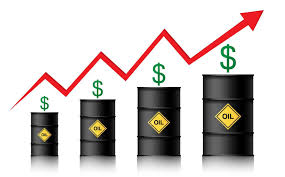
Families are now spending more money on daily essentials than before. Small businesses are also facing challenges because delivery and production costs are increasing. Many people are cutting unnecessary expenses to manage their monthly budgets. In developing countries, the impact is even stronger because wages often do not rise as quickly as prices.
Experts say global conflicts, supply chain problems, and increasing energy demand are major reasons behind rising fuel costs. Governments are trying different solutions such as reducing taxes, supporting public transport, and controlling market prices, but inflation remains a serious concern.
Economists believe that if fuel prices continue to rise, the overall economy could slow down. Consumers may spend less, businesses may reduce investments, and financial pressure could grow for middle-class families.
Despite these challenges, many industries are now focusing on renewable energy and electric vehicles to reduce dependence on fuel in the future. The coming years may play an important role in shaping a more stable and affordable energy system worldwide.

Leave a Reply