

The Russia-Ukraine war is the largest land conflict in Europe since World War II. What started as a limited invasion has turned into a long war of attrition with global economic and political effects.
How It Started
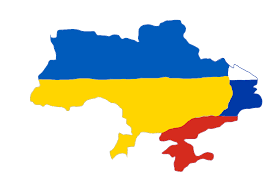
2014 – Annexation of Crimea: After Ukraine’s 2014 Maidan Revolution and the removal of pro-Russian President Viktor Yanukovych, Russia annexed Crimea. Russian-backed separatists also took parts of Donetsk and Luhansk in eastern Ukraine, sparking a low-intensity conflict.
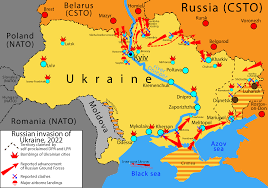
Feb 24, 2022 – Full-Scale Invasion: Russia began a multi-front invasion of Ukraine, calling it a “special military operation.” The stated goals included “demilitarization and denazification” of Ukraine and halting NATO expansion. Kyiv, Kharkiv, and Mariupol were immediately attacked.
1. Initial Invasion & Ukrainian Resistance: Feb – Apr 2022
Russia tried to capture Kyiv quickly but failed. Ukrainian forces, using Western anti-tank weapons and local support, stopped the advance. Russia withdrew from northern Ukraine and shifted its focus to the east and south.
2. Battles for the East & South: 2022-2023
Russia took Mariupol in May 2022 after a brutal siege. It also gained control of most of Luhansk. Ukraine launched successful counteroffensives in Sept 2022, reclaiming Kharkiv Oblast and the city of Kherson. The front lines mostly froze through winter.
3. Attritional War & Drone Warfare: 2023-2025
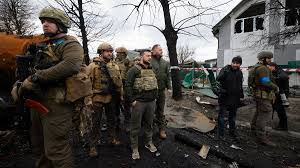
Ukraine’s 2023 counteroffensive made limited progress because of heavy Russian minefields and defenses. The conflict shifted to artillery battles, trench warfare, and drone strikes. Both sides began attacking infrastructure deep within enemy territory. Russia continued missile and drone strikes on Ukrainian cities and energy systems.
4. Current Status: 2026
As of May 2026, the front line stretches about 1000 km from Kherson to Kharkiv. Russia controls roughly 18% of Ukrainian land, including Crimea and most of Donbas. Fighting remains fierce in Donetsk and Zaporizhzhia. Peace talks have repeatedly stalled over territory and security guarantees.
Major Impacts
Human Cost
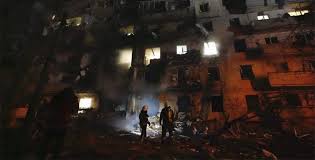
Estimates vary, but hundreds of thousands of soldiers on both sides have been killed or injured. The UN estimates there are over 10,000 civilian deaths in Ukraine as of early 2026, along with more than 6 million refugees across Europe.
Global Economy
The war disrupted grain and fertilizer exports from Ukraine and Russia, causing global food prices to soar in 2022-2023. Energy prices in Europe spiked after Russia cut gas supplies. Sanctions against Russia and its counter-sanctions changed global oil, gas, and finance markets.
Geopolitics
NATO expanded to include Finland and Sweden. The EU granted Ukraine candidate status in 2022. The US, EU, and UK have provided over $200 billion in military, financial, and humanitarian aid to Ukraine. China, India, and several Global South countries have continued trading with Russia while calling for negotiations.
Core Disputes
Territory: Ukraine demands the return of all land taken since 2014, including Crimea. Russia wants recognition of Crimea, Donetsk, Luhansk, Zaporizhzhia, and Kherson as part of Russia.
NATO: Russia opposes Ukraine joining NATO. Ukraine views NATO membership as its primary long-term security guarantee.
Sovereignty: Ukraine fights for its independence and territorial integrity. Russia presents the war as a defense of Russian speakers and a push against Western influence.

Leave a Reply