

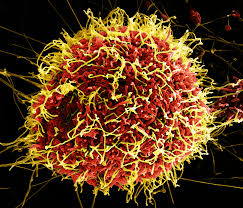
How Does Ebola Spread.
What is EVD?
It is an infectious disease caused by the Ebola virus. It was first found in 1976 around the Ebola river. Virus spreads via body fluids. Body fluids can be blood, vomit, feces, pee, semen and breast milk. It can also spread by contact with infected animal body. It does not spread through air.
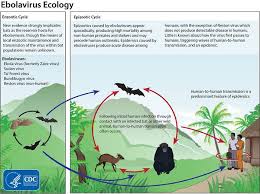
The symptoms of EVD appear after 2 to 21 days of infection. Symptoms of the virus depend on the stage of infection. The first stage of EVD is the emergence of fever, fatigue, muscle pain, headaches and sore throat. The second stage is the emergence of kidney and liver failure, vomiting, diarrhea and rashes. The last stage is slowing of the body and internal and external bleeding.

There are two FDA approved monoclonal antibody drugs, Inmazeb and Ebanga. There is also supportive treatment which ensures balance of fluids, oxygen supply and blood pressure. The Ervebo vaccine is the only effective vaccine to date that was developed for the Zaire type of Ebola. Infected people should also be avoided and good hygiene practiced. Dead animals should be avoided as well. The fatality rate without treatment is between 25-90%. Infected people should also be avoided and good hygiene practiced. Dead animals should be avoided as well. The fatality rate without treatment is between 25-90%. The West Africa outbreak of 2014-2016 was the latest largest Ebola outbreak with over 28,600 cases and over 11,300 deaths.




Leave a Reply